Pay-Per-Call AI Agents: How Usage-Based Pricing Is Reshaping the Agent Economy
The pay-per-call model is replacing subscriptions for AI agents — and it’s creating a new economic dynamic where compute costs align with value delivered.
Archive
Original reporting on AI agents, funding moves, tools, and the infrastructure layer reshaping how work gets done.
The pay-per-call model is replacing subscriptions for AI agents — and it’s creating a new economic dynamic where compute costs align with value delivered.

x402 is becoming the standard way agents pay for resources autonomously. Understanding it now puts you ahead of the curve as adoption accelerates.

Settlement in USDC on Base is enabling AI agents to pay for resources autonomously. Here’s what changes when agents can hold and spend funds.
Agentic AI systems that plan, execute, and adapt are deployed in production at scale. The technology works. The workforce that has to work alongside it does not.
AI agents that can browse the web, send emails, book meetings, and execute workflows autonomously are no longer a projection. They are deployed. And most workers have not been trained to work alongside them.

The concept of the AI agent has matured from a chatbot that can answer questions to a full-stack marketer that can execute campaigns autonomously. Here is what that looks like in practice.

Apple's App Store policy update allowing AI agent apps to operate autonomously — with user-set constraints — signals a major shift in how the mobile ecosystem thinks about agentic applications.
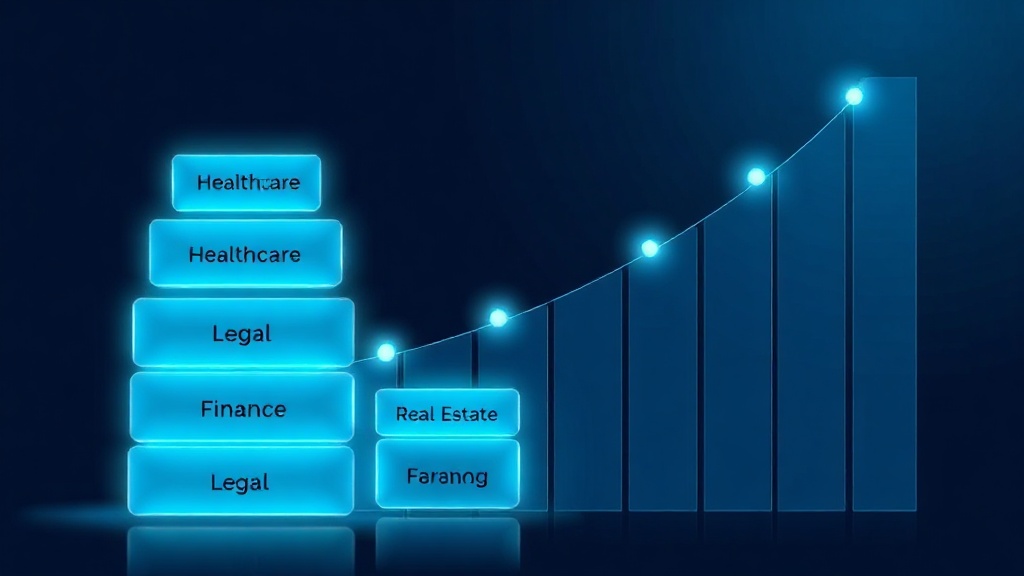
The trajectory of AI agents is clear: they are replacing software as the interface for work. Not augmenting software — replacing the software layer entirely.
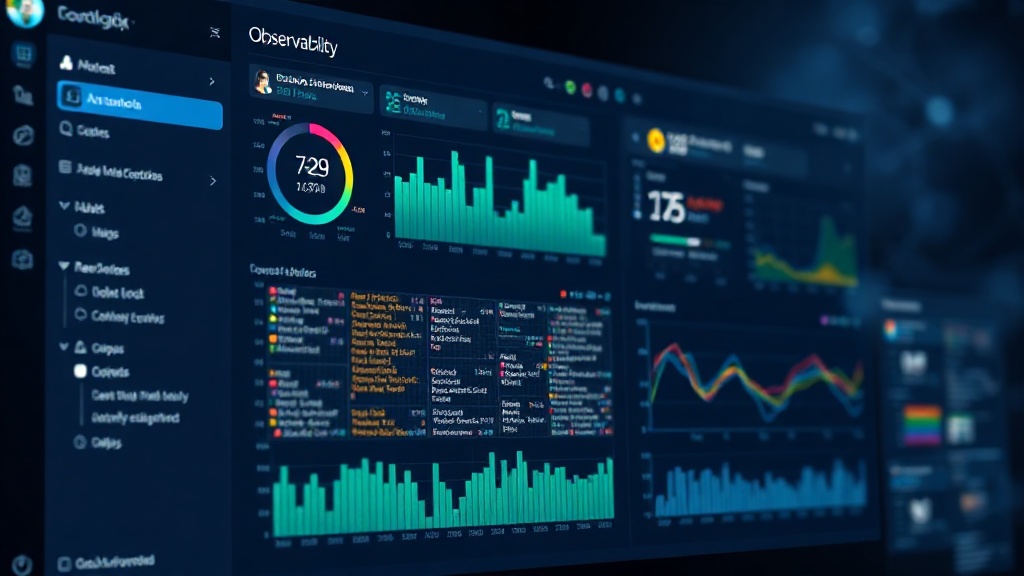
Payment protocols for AI agents are maturing, and the first agents that can pay for their own compute are here.